Where to place an air purifier
Quick answer
Place a purifier with open space on at least the intake side and the output side, a few feet from walls and furniture, away from corners; a unit pushed into a corner behind a sofa can lose a third or more of its effective airflow to short circuiting, where filtered air gets pulled straight back into the intake before it mixes into the room.
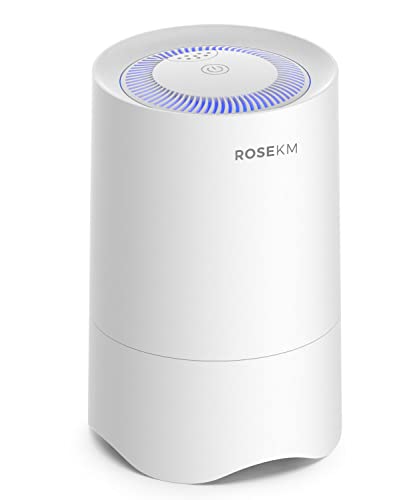
ROSEKM Small Air Purifier for Bedroom & Desk, 50 Sq Ft, H13 HEPA, White
A compact desk unit like this one has a small effective reach to begin with, which makes correct placement close to the actual breathing zone proportionally more important than it is for a larger room unit with CADR to spare.
Coverage claims vary in what air change rate they assume, so check a published airflow figure against your own room rather than the room size on the box.
| Placement | What happens | Fix |
|---|---|---|
| Corner behind furniture | Output recirculates back into intake (short circuiting) | Move to open floor space, 2 to 3 feet of clearance |
| Against a wall, intake blocked | Reduced airflow into the machine | Leave clearance on the intake side per the manual |
| Behind a closed door | Only filters the air already in that room | Keep the door open, or accept it only treats that one room |
| Directly under an HVAC return | Return pulls unfiltered air past the purifier before it can act | Place away from strong competing airflow |
What short circuiting actually is
Short circuiting happens when the clean air a purifier just output gets pulled straight back into its own intake before it has a chance to mix into the rest of the room. A unit pushed into a tight corner, especially behind a sofa or other furniture that blocks airflow on more than one side, recirculates a portion of its own output rather than actually clearing new air in the room, which reduces the effective airflow reaching the rest of the space even though the machine’s fan speed and rated CADR have not changed.
This is a placement problem, not a machine problem: the same unit moved to open floor space with clearance on the intake and output sides delivers closer to its full rated CADR into the room.
Short circuiting is easiest to picture as a small loop of air spinning in place near the machine while the rest of the room barely changes. The purifier’s sensor, on units that have one, may even report a falsely optimistic reading if it happens to sample from that same recirculating loop rather than from the broader room, which is one reason auto mode occasionally underperforms in a badly placed unit even though the sensor itself is functioning correctly. Moving the same unit even a modest distance away from the wall it was pressed against is often enough to break that loop and let the output actually reach the rest of the room.
How much clearance a purifier actually needs
Most manufacturer manuals recommend somewhere around 12 to 24 inches of clearance from walls and furniture on the intake side, and open space in front of the output vent so filtered air can actually disperse into the room rather than hitting a wall or piece of furniture a few inches away. Check the specific unit’s manual, since intake and output locations vary by design: some pull air in from the sides and push it out the top, others work the reverse.
A purifier placed flush against a wall with its rear intake blocked is functionally starving its own fan of air to filter, regardless of how much open floor space exists everywhere else in the room.
Vertical clearance matters too, and gets overlooked more often than side clearance. A unit with a top-mounted output vent placed directly under a shelf or a low cabinet has its output stream deflected straight back down toward the intake, producing a version of short circuiting from above rather than from the sides. Checking the manual for the specific vent locations on a given model, rather than assuming every purifier vents the same way, avoids this particular mistake. A tall, narrow tower-style unit is generally more forgiving of tight floor space than a wide console unit, simply because its intake and output are spread across a taller, narrower footprint rather than competing for clearance on the same small patch of floor.
Why doors matter more than most people expect
A purifier only filters the air actually reaching it. A closed door isolates the machine to whatever air volume is inside that door, which is the correct outcome if the goal is treating one specific bedroom, but it also means a hallway purifier does nothing for a bedroom with its door shut, no matter how large the hallway unit is rated for.
Cracking a door open, or leaving it open when practical, lets some air exchange between rooms and extends a purifier’s practical reach beyond the room it physically sits in, though at a lower effective air change rate than if it were placed directly in the target room.
This is a genuinely common mismatch worth checking for directly: a household running one purifier in a central hallway or living room, assuming it treats "the whole downstairs," while every bedroom door stays closed overnight, is effectively getting close to zero benefit from that unit in the rooms where people actually spend eight hours asleep. If a bedroom is the actual priority, a unit placed inside that specific room, even a smaller one, will outperform a larger unit placed anywhere else in the house behind a closed door. `/setups/whole-home-setup/` covers the multi-room version of this decision for households weighing several smaller units against one large central one.
Placement near an HVAC return or a window
An HVAC return actively pulls room air toward itself, competing with a nearby purifier for the same air and potentially pulling unfiltered air past the purifier before it gets a chance to act. Placing a purifier directly beneath or very close to an active return can reduce its effective reach into the rest of the room.
A window or door that opens to the outside is a source of new, unfiltered particles entering the room, particularly relevant during wildfire smoke events; a purifier placed near a frequently opened window is fighting a constant new source rather than working with a sealed room.
A ceiling fan or a standing fan running in the same room is generally a help rather than a hindrance, since it improves air mixing and helps distribute a purifier’s filtered output more evenly across the room rather than leaving pockets of unfiltered air near the far walls; this is a different situation from an HVAC return, which specifically competes for the same air the purifier is trying to draw in, rather than simply moving air already in the room around.
Placing a purifier for sleep versus for daytime rooms
In a bedroom, placement closer to the bed, within reason and manufacturer clearance guidance, puts more of the filtered air directly into the breathing zone during sleep rather than filtering the far side of the room. In a living room or open-plan space, central placement or placement near the area with the most activity, such as a kitchen for cooking-related particles, generally outperforms a corner placement chosen purely for aesthetics.
A compact desk unit has a smaller effective reach to begin with, so its placement close to the actual desk or workspace matters proportionally more than it does for a larger unit meant to treat an entire room.
A desk or personal-space unit placed a few feet away, angled toward open air rather than tucked behind a monitor or stack of books, delivers noticeably more of its limited output into the actual breathing zone than the same unit crowded in among other desk items. Because a compact unit’s CADR is modest to begin with, there is little margin to spare for a poor placement choice the way a larger, more powerful unit might tolerate, which makes the placement guidance on this page proportionally more valuable for a desk unit than for a large-room machine with CADR to spare.
Equipment mentioned on this page
- FULMINARE
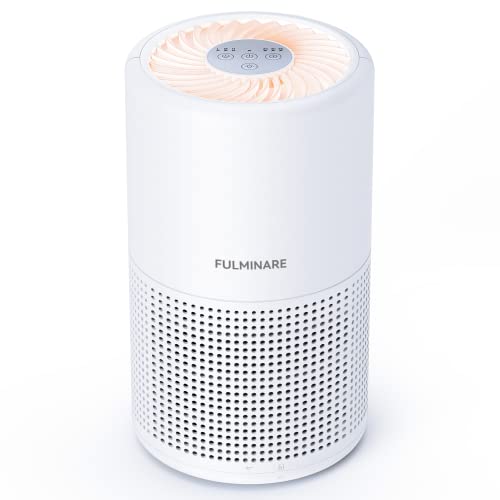
Air Purifiers for Bedroom, FULMINARE H13 True HEPA Filter
- HEPA claimed
$24.99 Check pricePrices change often - Homedics
Homedics Personal Air Purifier with HEPA-Type Filter & Activated Carbon
- carbon stage
$34.99 Check pricePrices change often - Pure Enrichment
Pure Enrichment PureZone Mini Portable Air Purifier
- HEPA claimed
- carbon stage
$39.99 Check pricePrices change often - Levoit
Levoit Air Purifiers for Bedroom Home Pets Dorm Room, Small Air Purifiers
$43.98 Check pricePrices change often


Common questions
Can I put an air purifier in a corner?
A corner is the worst common placement because it restricts airflow on two sides at once, increasing the chance of short circuiting, where the machine’s own filtered output gets pulled back into its intake before mixing into the room. Open floor space with clearance on the intake and output sides delivers closer to the unit’s full rated CADR.
Does placing a purifier behind furniture reduce its performance?
Yes. Furniture blocking the intake or output side reduces airflow into or out of the machine, and a corner behind a sofa or bookshelf can cost roughly a third of a unit’s effective airflow to short circuiting and blocked clearance combined, even though the fan is running at the same rated speed.
Where should I put an air purifier in a bedroom for sleep?
Closer to the bed, within the manufacturer’s recommended clearance from walls and furniture, puts more filtered air directly into the breathing zone during sleep. Avoid corners and avoid pushing the unit flush against a nightstand or wall that blocks its intake or output vent.
Does a closed door stop an air purifier from working?
A closed door isolates the purifier to the air volume on its own side of the door, which is correct if that room is the actual target, but it means a purifier in a hallway or another room does nothing measurable for a bedroom with its door shut.
Should I place a purifier near a window during wildfire smoke?
A frequently opened window during a smoke event is a continuous source of new particles entering the room, which works against the purifier rather than with it. Keeping windows and doors closed and running the purifier centrally in the room is more effective than positioning it directly at the window.
Does placement matter as much as the purifier’s CADR rating?
Both matter, but a correctly sized purifier in a poor location, such as a blocked corner, can underperform a smaller unit placed with proper clearance in open floor space. Sizing determines the ceiling on what a unit can deliver; placement determines how much of that ceiling actually reaches the room.